March 10, 2026
As Catholics mark the third week of Lent, the day’s Scripture readings present themes of radical forgiveness, humble prayer in trial, and miraculous provision that align closely with ongoing developments in the Church and the wider world.
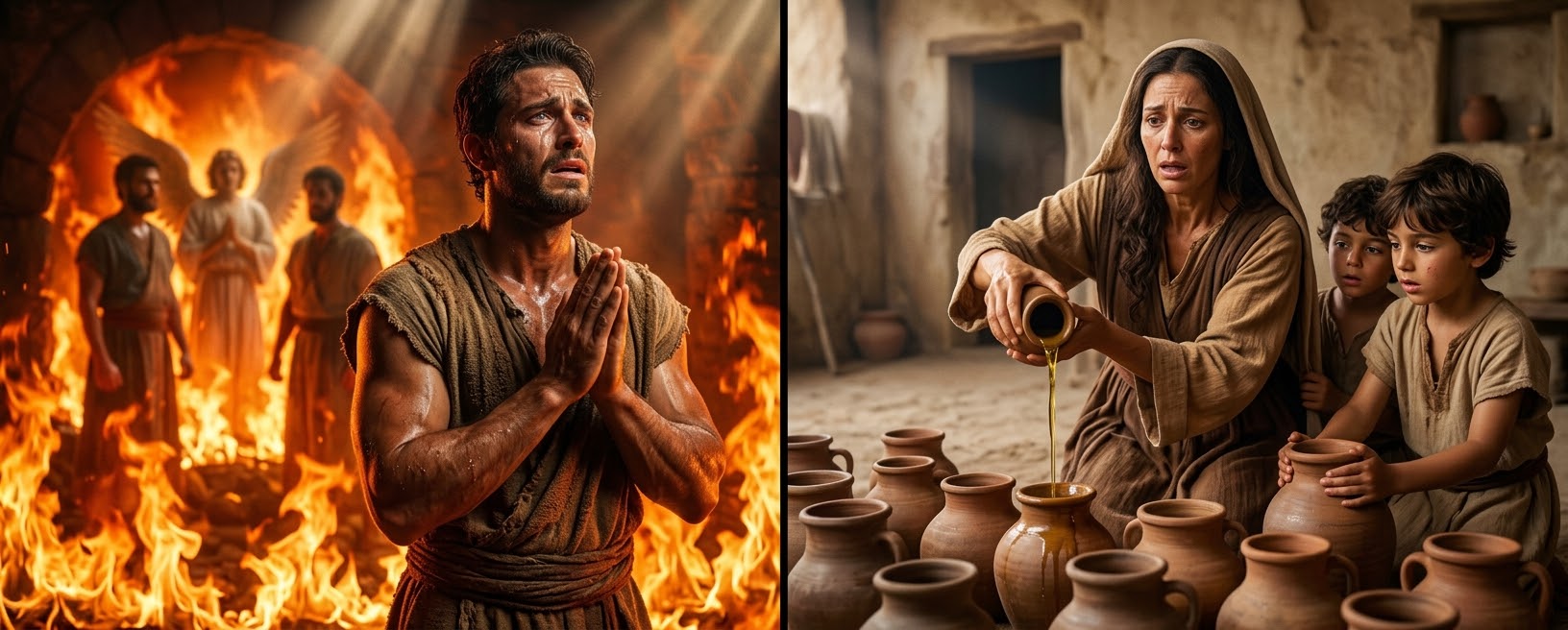
The USCCB lectionary features Azariah’s prayer from the fiery furnace in the Book of Daniel, where he stands amid flames and pleads for God’s mercy on a diminished nation, invoking the patriarchs and offering a contrite heart. The Gospel from Matthew recounts Peter asking Jesus how often to forgive a brother, receiving the reply “seventy times seven times,” followed by the parable of the unforgiving servant who faces consequences for refusing mercy.
In the 1962 Traditional Latin Mass calendar, the Epistle recounts the prophet Eliseus instructing a widow to pour her scant oil into borrowed vessels, which multiplies miraculously to pay her creditor and sustain her sons. The Gospel covers fraternal correction and the same call to repeated forgiveness.
These parallel yet distinct liturgical traditions arrive as the Society of St. Pius X (SSPX) proceeds with plans to consecrate new bishops on July 1 without papal mandate. In February 2026, the SSPX rejected a Vatican proposal for theological dialogue offered by Cardinal Víctor Manuel Fernández under Pope Leo XIV, stating that certain aspects of the Second Vatican Council and the post-conciliar liturgical reform could not be set aside as preconditions. The Holy See has warned that proceeding would risk a decisive rupture of ecclesial communion.
Top Catholic podcasters and YouTubers have provided extensive coverage of the developments. Dr. Taylor Marshall’s channel has featured episodes examining the historical context and potential paths forward for the Latin Mass, while Matt Fradd on “Pints with Aquinas” and voices from Catholic Family News have discussed how the day’s Gospel on limitless forgiveness applies to current ecclesial conversations. Other popular creators focused on daily liturgy reflections and traditional practices continue to unpack the readings in light of the SSPX situation, reaching audiences seeking clarity amid reports of tension.
The conversations occur against a backdrop of global events, including Pope Leo XIV’s recent appeals for peace amid Middle East conflicts involving Iran, as well as domestic debates on immigration and social cohesion in the United States. Many traditional Catholic communities, supported by groups such as the Latin Mass Society, report increased interest in the 1962 Missal as a source of continuity and spiritual nourishment.
Lay commentators and content creators, including those producing daily side-by-side comparisons of the Ordinary and Extraordinary Forms, have noted how the miracle of the multiplying oil and Azariah’s plea for covenantal mercy speak to the desire for provision and reconciliation at every level — personal, ecclesial, and societal.
As Lent continues and the July date for the planned consecrations approaches, the ancient texts continue to invite reflection on the balance of mercy received and extended, providing a spiritual framework for Catholics engaging with today’s Vatican news and the broader cultural landscape.
Leave a Reply