Sources & images
The six Order images on this site are photographs of public-domain paintings and ancient statues. Each is credited below with its artist, date, museum, license and source page. AI images elsewhere on this site are concept art and are labeled as such.
| Order | Image | Credit | Medium | License | Source |
|---|---|---|---|---|---|
| OrderMinerva | Image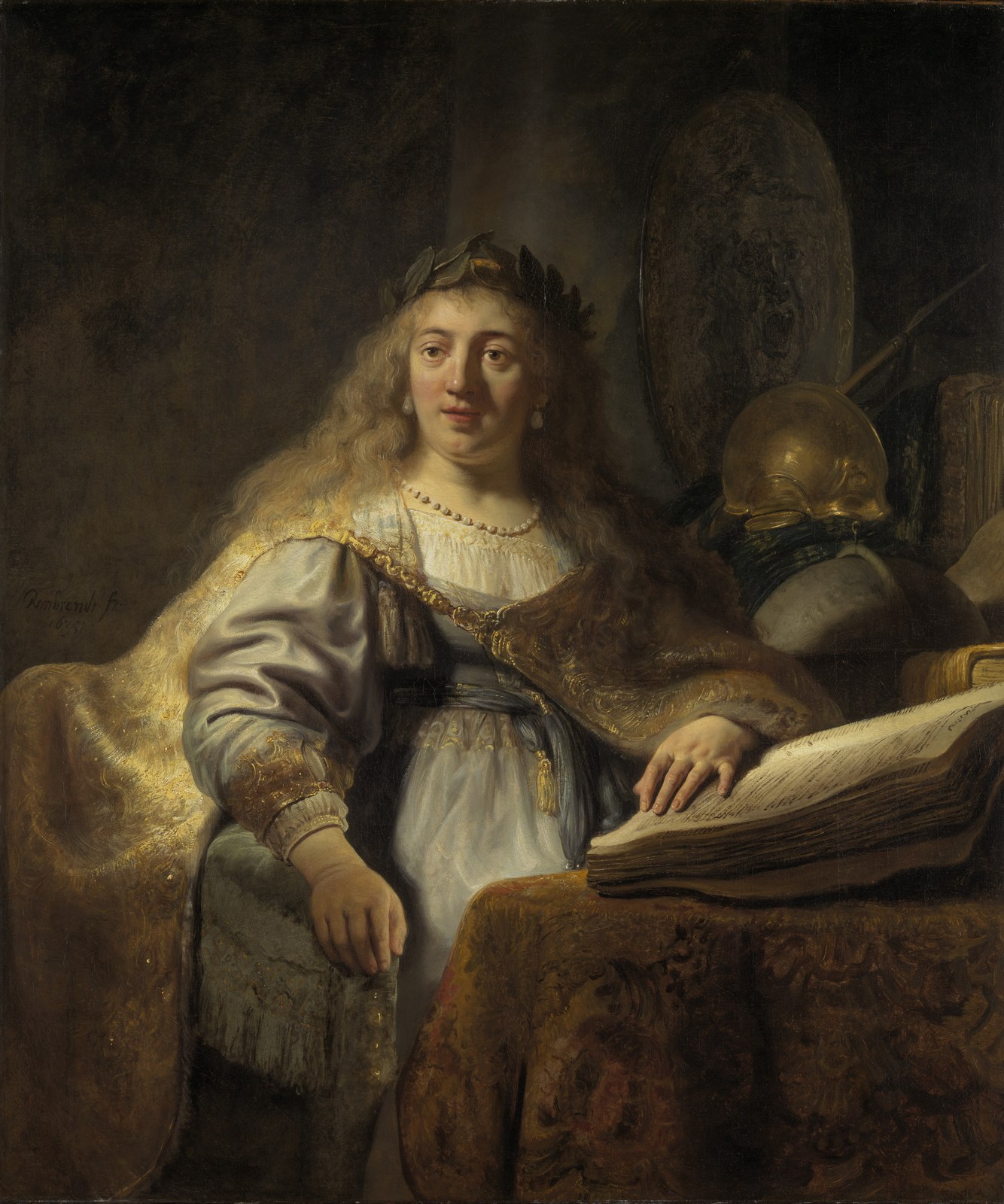 | CreditRembrandt van Rijn, Minerva in Her Study, 1635. The Leiden Collection, New York. Public domain, via Wikimedia Commons. | MediumOil on canvas | LicensePublic domain (PD-Art; artist died 1669) | SourceWikimedia Commons page |
| OrderJuno | Image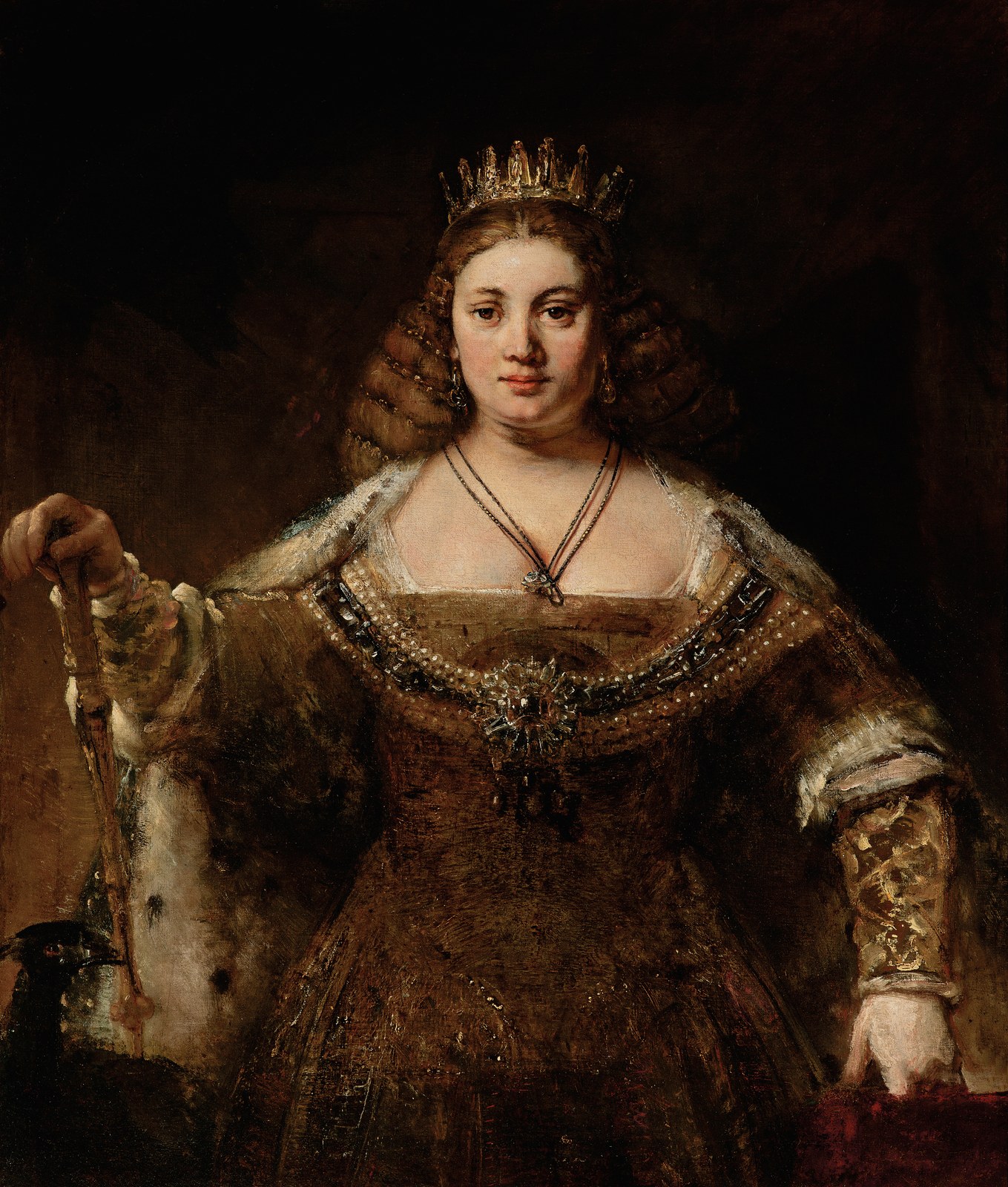 | CreditRembrandt van Rijn, Juno, c. 1662–1665. Hammer Museum, University of California, Los Angeles (Armand Hammer Collection). Public domain, via Wikimedia Commons. | MediumOil on canvas | LicensePublic domain (PD-Art) | SourceWikimedia Commons page |
| OrderJupiter | Image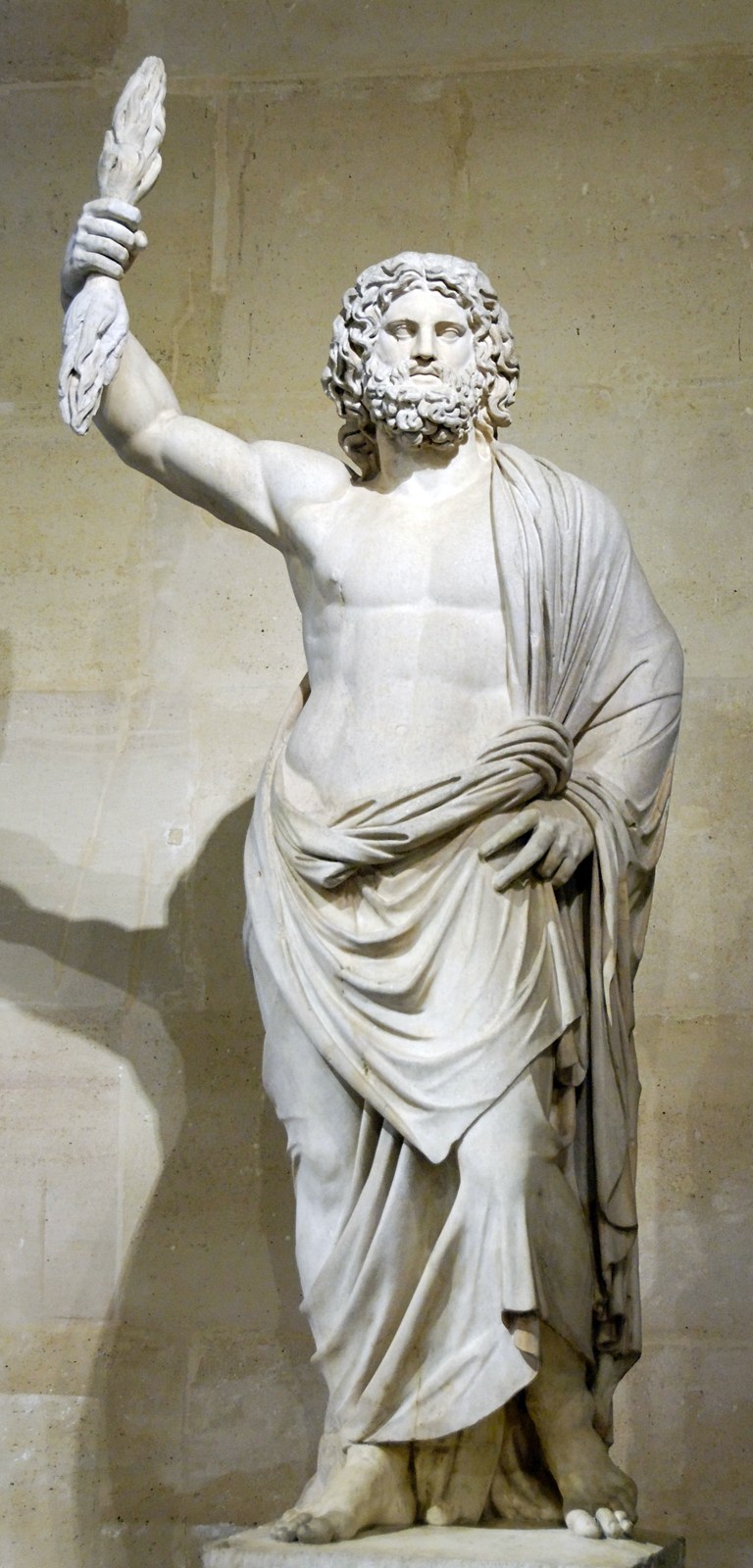 | CreditJupiter of Smyrna, Roman marble, c. 250 CE. Musée du Louvre, Paris (Ma 13). Photo: Marie-Lan Nguyen, public domain, via Wikimedia Commons. | MediumMarble (ancient statue) | LicensePhoto released to the public domain by the photographer | SourceWikimedia Commons page |
| OrderApollo | Image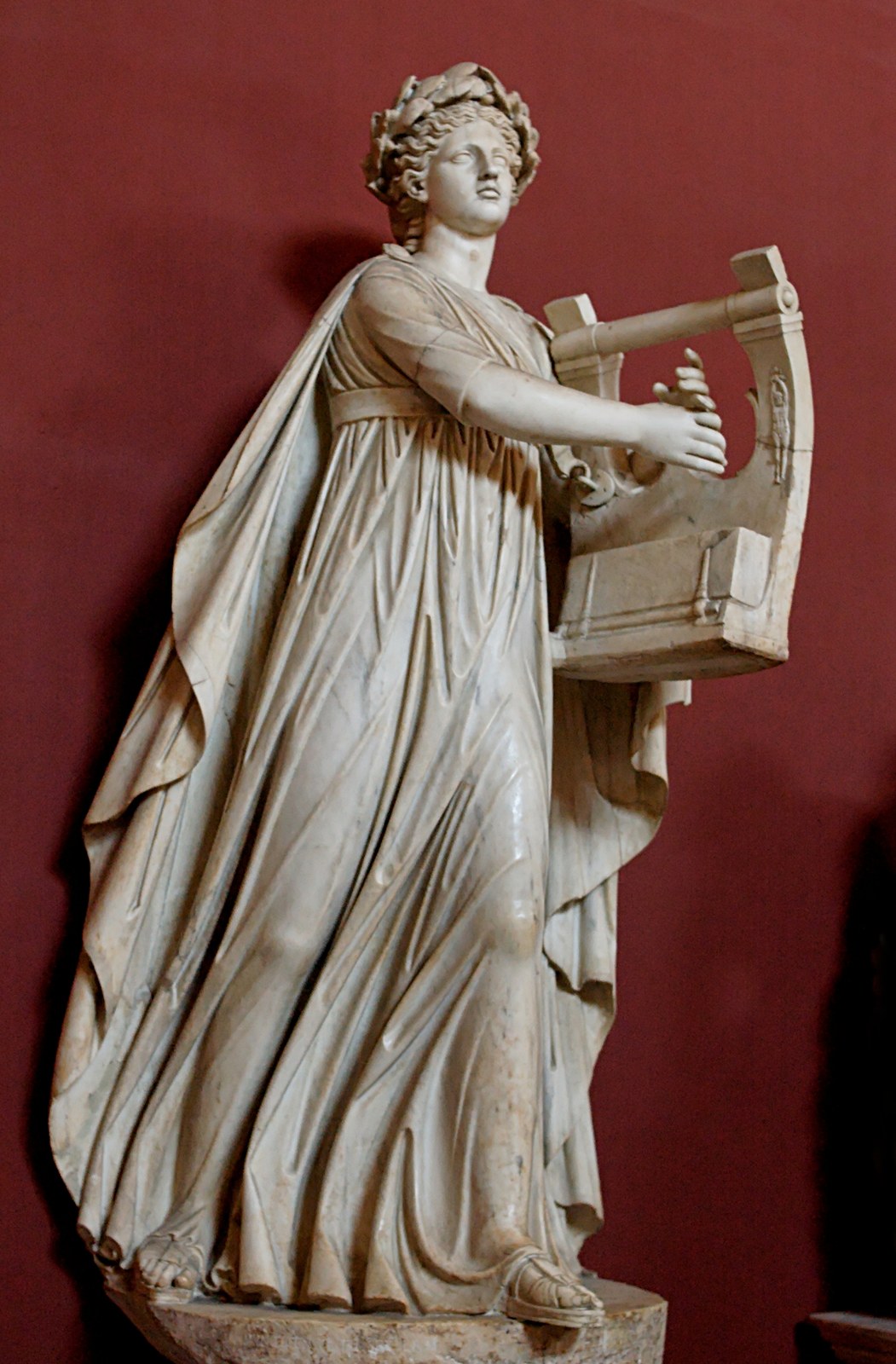 | CreditApollo Citharoedus, Roman marble, 2nd century CE. Vatican Museums, Museo Pio-Clementino (inv. 310). Photo: Jastrow, public domain, via Wikimedia Commons. | MediumMarble (ancient statue) | LicensePhoto released to the public domain by the photographer | SourceWikimedia Commons page |
| OrderPhaethon | Image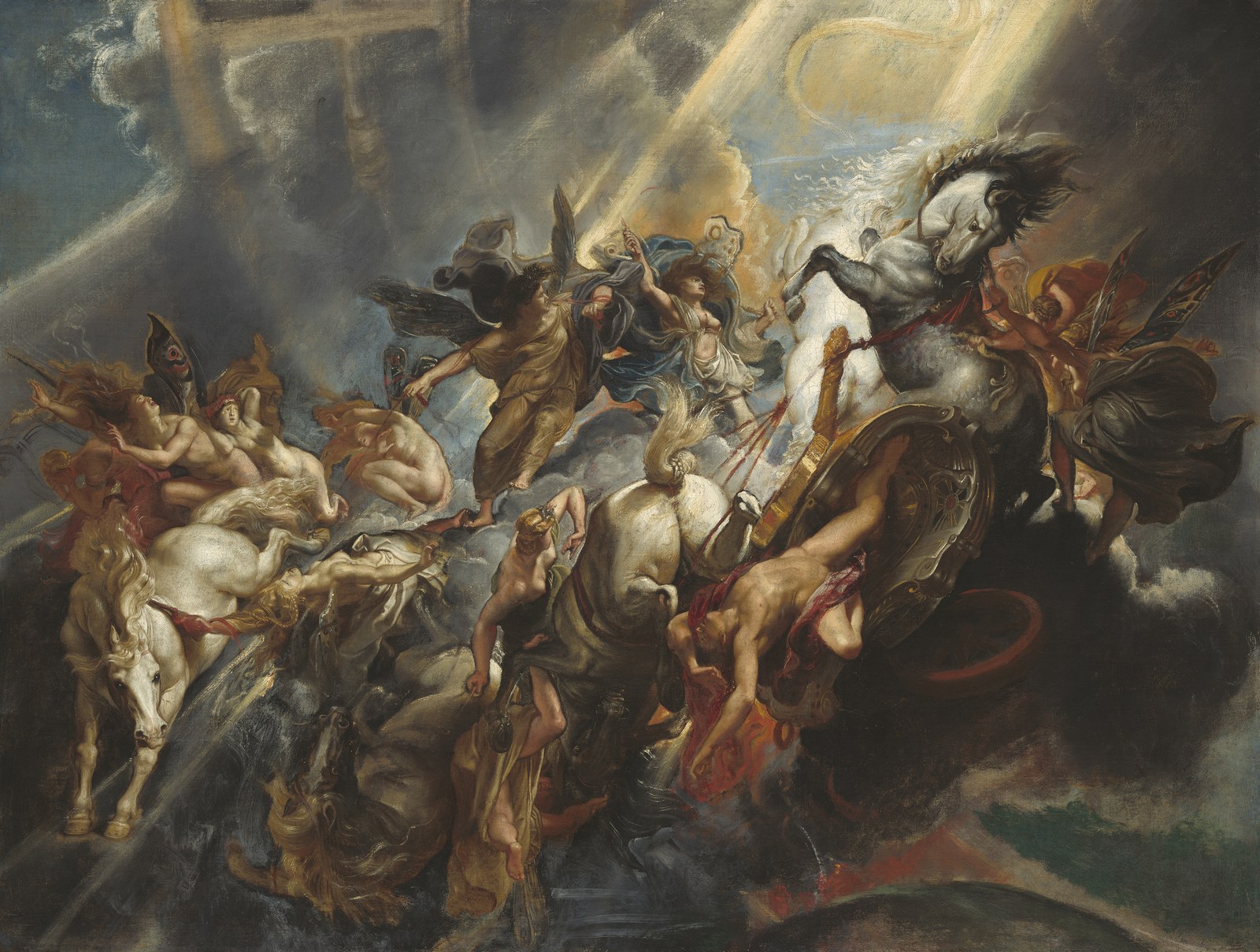 | CreditPeter Paul Rubens, The Fall of Phaeton, c. 1604/1605, probably reworked c. 1606/1608. National Gallery of Art, Washington. CC0, via Wikimedia Commons. | MediumOil on canvas | LicenseCC0 (National Gallery of Art open access) | SourceWikimedia Commons page |
| OrderVenus | Image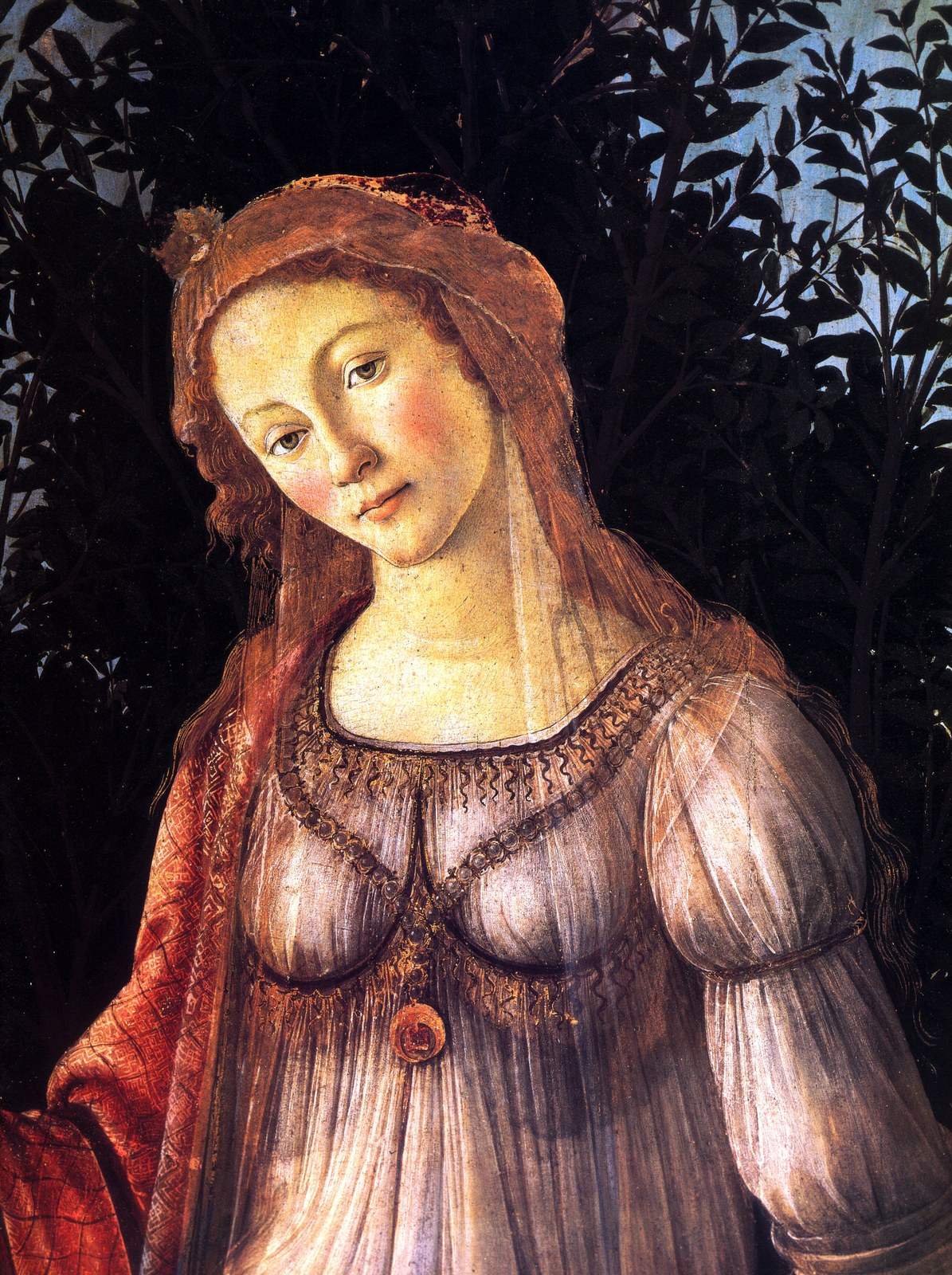 | CreditSandro Botticelli, Primavera (detail), c. 1480. Uffizi Gallery, Florence. Public domain, via Wikimedia Commons. | MediumTempera on panel | LicensePublic domain (painting); detail photo released to the public domain by the photographer | SourceWikimedia Commons page |
Each Order is named for a Roman god as an image, not a Person of the Creed. The museum named in each credit holds the original; Helian Way is not affiliated with any museum or with Wikimedia.